

November 1st is National Brush Day (NBD). This ad campaign was first rolled out in August of 2012 and was designed to give parents ideas on how to get their kids to brush their teeth for two minutes, twice a day. What better day to discuss the importance of brushing your teeth properly with your children than the day after they consume a pound of sugar? The Partnership for Healthy Mouths, Healthy Lives and the Ad Council really nailed the timing of this nationally-observed holiday.
INTRODUCTION

Dental decay is the most common chronic childhood disease in America. In an effort to try to improve this issue in The United States of America, The Dental Trade Alliance has taken on the responsibility of promoting NBD. This year’s marketing campaign includes National Brush Day awareness. The intent is to spread the word to families about making NBD a family affair. You can find more information about National Brush Day 2021 here.
OPPORTUNITY
Making brushing your teeth a family affair after Halloween this year is a great opportunity to teach your children how important oral health is to their overall wellbeing. It could be a starting point for your kids to develop an essential habit that will help ensure a healthy smile. If your children already have a healthy brushing routine, you could use National Brush Day to help reinforce those habits.
READ MORE…
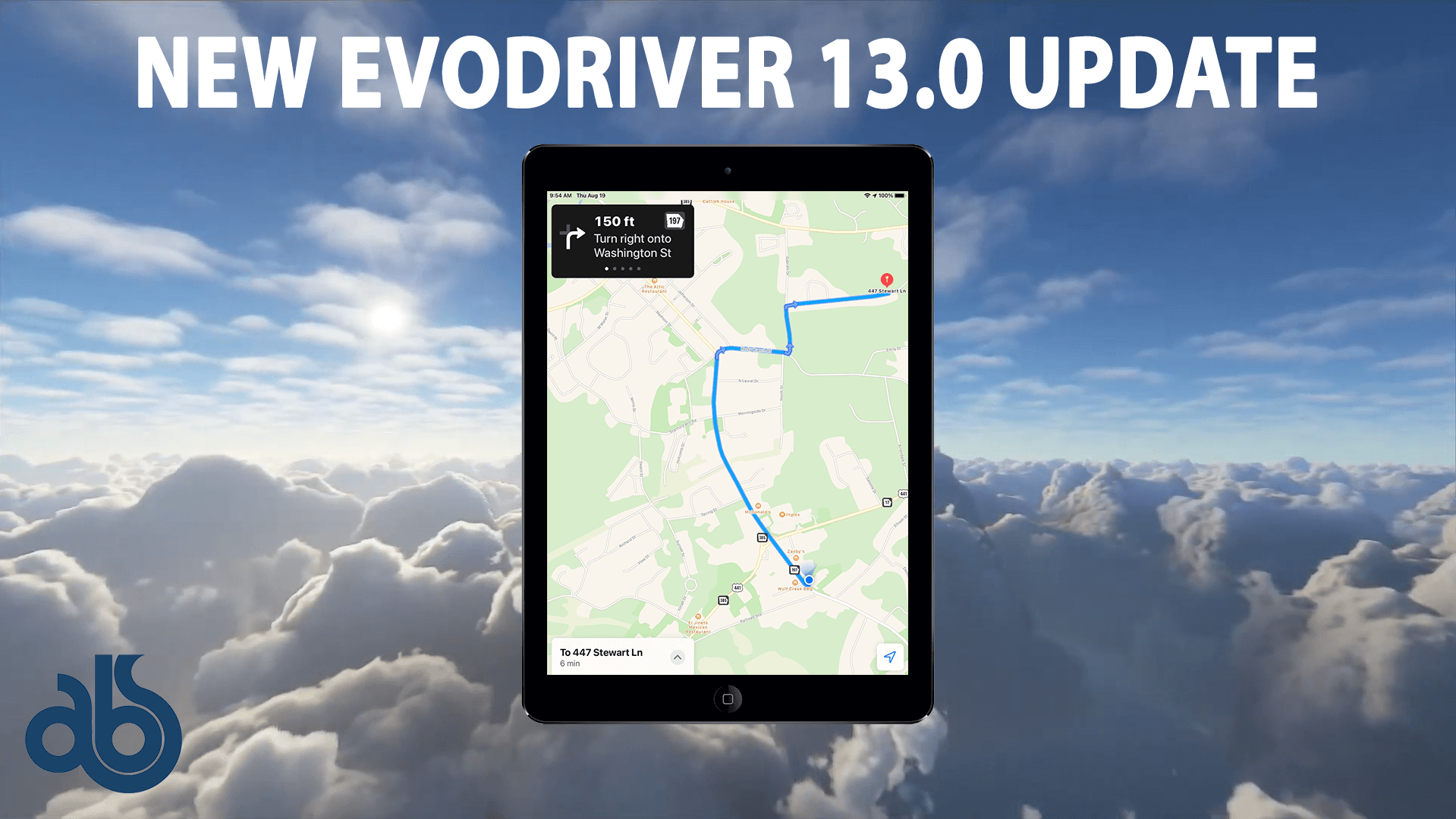
Follow ABS on FaceBook and Twitter. Please contact us directly if you’d like to learn more about Evolution dental lab management software.

 Fortuitously, UVDL had recently purchased a cyber insurance policy from CFC Underwriting, a U.K. company that specializes in cyber incident response, recovery and liability. CFC’s team took over as soon as Thacker discovered the attack. It negotiated with the hackers, covered the ransom fee and helped—with the assistance of the lab’s IT company—get the company back up and running in a week and a half.


 (usually money) in its place! I mean, that sounds pretty awesome. What kid doesn’t like receiving a gift or money for something as simple as putting a lost tooth under their pillow?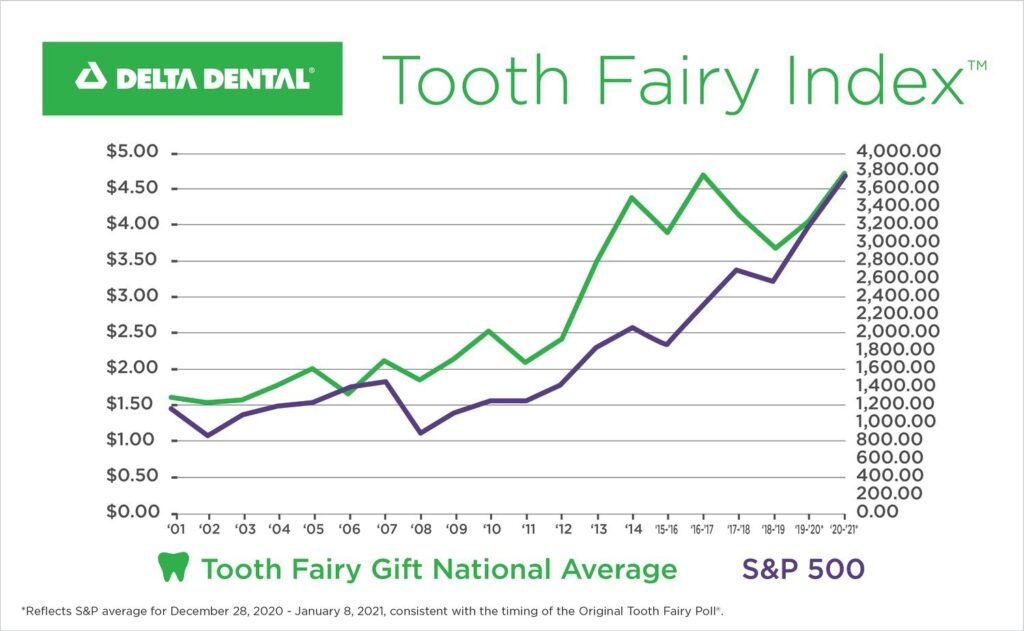
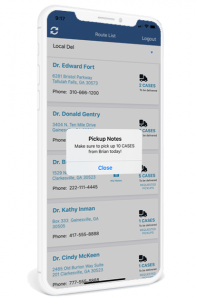 View doctors for today’s deliveries/pickups



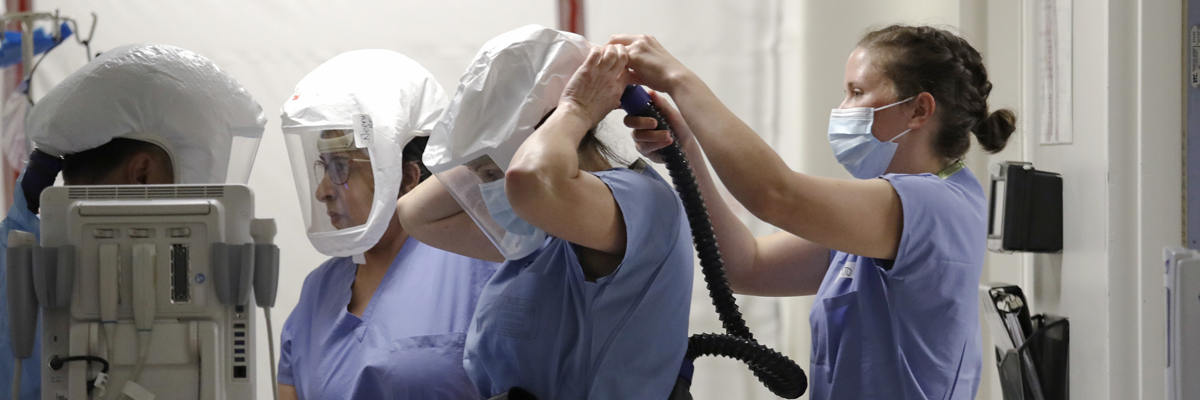
 The American Dental Association (ADA) is expressing its pleasure that dental practices are “largely exempt” from new OSHA emergency temporary standard (ETS). In