Category: Blog

Thanksgiving week in a dental lab is not a quiet week. The cases that need to be seated before the holiday all want to ship at once, and the team is doing its best to get out the door on Wednesday.

So before the rush takes over, we want to ask a simple question: who at your bench are you thankful for this year?

THE PEOPLE BEHIND EVERY CASE

A crown that seats perfectly gets one compliment, and it usually goes to the dentist. Behind it is a whole lab. Someone logged the case and caught the missing bite. Someone designed it, milled it, stained it and checked it twice. Someone packed it and made sure it was on the truck.

Most of those people never hear from the patient. Many never hear from the doctor. That’s why a thank-you from inside the lab matters so much.

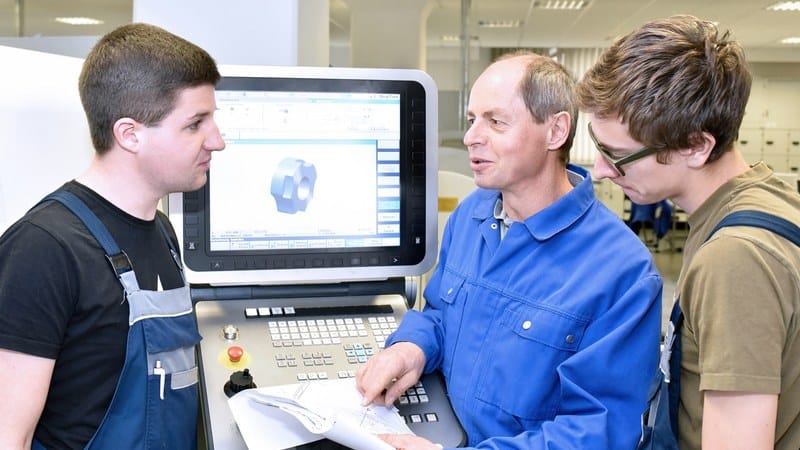
An instructor and three students working together at a CAD workstation

A FEW PEOPLE WORTH THANKING

The technician who stayed late. Every lab has the night when a case had to make it out, and somebody made sure it did.

The person on the phones. When a doctor calls unhappy, someone takes that call and turns it around. It’s one of the hardest jobs in the building.

The trainee who asked a lot of questions. A year ago they were learning the basics. Now they’re the one answering questions for the next new hire.

The person who keeps everyone fed, paid and on schedule. Scheduling, invoicing, shipping and billing don’t get applause, but nothing leaves the lab without them.

A courier handing a package to a customer at the door

A SIMPLE WAY TO SAY IT

You don’t need a big event. A handwritten note, five minutes at the start of the Monday huddle, or lunch on the lab during the busy week all go a long way. Be specific: “Thank you for staying late on the Johnson case” means more than “great job, everyone.”

And if you want to say it in public, tag them on social media. We’d love to help you thank them.

FROM ALL OF US AT ABS

We’ve worked with dental labs since 1977, and the thing that hasn’t changed is the people. Thank you to every lab owner, manager and technician who lets us be a small part of the work you do. Happy Thanksgiving.

LEARN MORE ABOUT ABS AND EVOLUTION

Follow ABS on Facebook, Instagram, LinkedIn, and X. Please contact us directly if you’d like to learn more about Evolution dental lab management software.

Every lab knows the feeling. Somewhere around the week before Thanksgiving, the crown and bridge cases stop arriving one at a time and start arriving in stacks. Most of them want to be seated before the end of the year.

It isn’t random. It’s the dental benefits calendar, and it shows up at the lab a few days after it shows up at the dental office.

WHY DECEMBER FILLS UP

Most dental plans run on the calendar year. The ADA’s patient site puts it simply: benefits most likely run out on December 31, and unused benefits don’t roll over into the new year for most plans.

So in November, practices work their recall lists hard. The crown a patient has been putting off since spring gets scheduled, prepped and sent to the lab, with a seat date before the holidays. Multiply that by every practice you serve and you have the year-end rush.

Then Thanksgiving takes a couple of production days out of the middle of it. The window gets tighter just as the volume peaks.

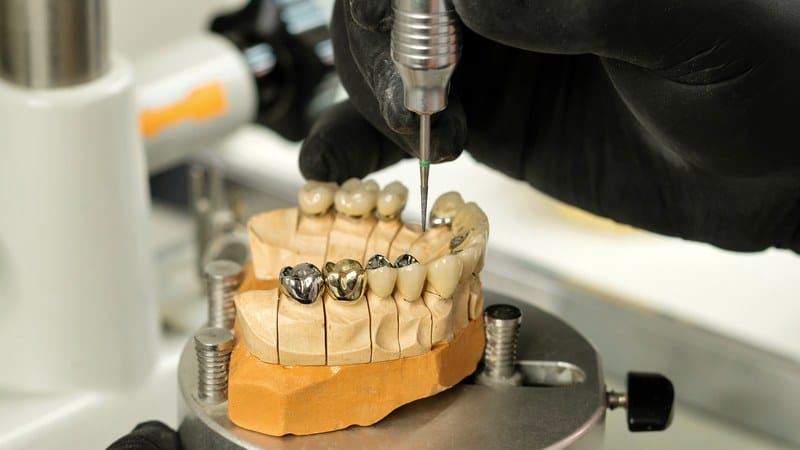
An implant model on a fixture under a handpiece at a dental lab bench

FIVE WAYS LABS GET READY

1. Ask your busiest doctors what December looks like. A five-minute call to your top accounts tells you more than any forecast. How full is their schedule? Are they running extra prep days? Their answer is your workload two weeks from now.

2. Set your holiday cutoffs early, and say them out loud. Decide the last day a case can arrive and still go out before Thanksgiving, and again before Christmas. Then tell your doctors directly. A cutoff nobody hears about isn’t a cutoff.

3. Look at capacity by day, not by week. A week that looks fine on paper can have one impossible Wednesday. Check how many units are due each day against who will actually be at the bench, and move work before the jam, not after it.

4. Keep the “waiting on the doctor” cases visible. In a rush, a case missing a bite or a shade can sit quietly until it’s late. Put those cases on hold with a clear reason so someone follows up the same day.

5. Protect your remake time. The rush is when remakes hurt most, because they compete with new work for the same hands. A little extra checking at design and before shipping costs less than a remake in the second week of December.

DON’T FORGET THE PEOPLE

The year-end rush lands on your team at the same time as their own holidays. The labs that come out of December in good shape plan the time off as carefully as the cases. Know who is out and when, before the schedule fills up, and thank the people who stay late. They’ll remember it next year.

A lab manager reviewing printed reports and charts at a desk

HOW EVOLUTION HELPS

If your lab runs Evolution, a lot of this is already in front of you. Rush cases move up the schedule automatically. Lab Monitor shows tomorrow’s total capacity, so you can see an overloaded day coming while there’s still time to react. Holds carry the reason your lab defines, so “waiting on the doctor” cases don’t hide in the pile.

EvoDASH puts the morning check on one screen: cases going out this week and where each one is in the lab, what’s overdue, and this month’s sales next to the projected total, without running a report. And doctors on the EvoDOCTOR Portal can send their cases early, before the phones start ringing.

LET’S TALK

If you’d like to see how Evolution handles the year-end rush, book a 15-minute intro. Through December 31, 2026, new Evolution licenses and modules are 20% off the one-time license fee.

LEARN MORE ABOUT ABS AND EVOLUTION

Follow ABS on Facebook, Instagram, LinkedIn, and X. Please contact us directly if you’d like to learn more about Evolution dental lab management software.

A few years ago, a digital denture was something you heard about at a trade show. Today it’s what most labs offer.

That’s the headline from Lab Management Today’s 2026 Removable Prosthetic Survey: 58% of responding labs now offer digitally fabricated complete dentures, up 23 percentage points since 2024. On average, more than half of final denture work now uses digital fabrication for all or part of the case, and nine in ten respondents expect that share to keep growing by 2029.

The same survey asked what gets in the way. The answer wasn’t the printer, the resin or the design software. It was inadequate scans and records.

THE TECHNOLOGY IS READY. THE INFORMATION ISN’T.

Anyone who has run a removables department knows the feeling. The scan arrives without a bite. The shade is in a phone message nobody wrote down. A photo of the patient’s old denture went to one person’s inbox and stayed there. The tooth mold is on a sticky note on the box.

With a conventional denture, a technician could often work around a gap with experience and a phone call. A digital workflow is less forgiving. The design is only as good as the data it starts from, and a missing record doesn’t just slow one step down. It can send the case back to the beginning.

There’s a second wrinkle in the survey. On average, only 28% of dentist-clients specifically prescribe a digital denture. Labs are choosing the digital path themselves, which means the lab also owns the job of getting complete records from offices that may not know exactly what a digital case needs.

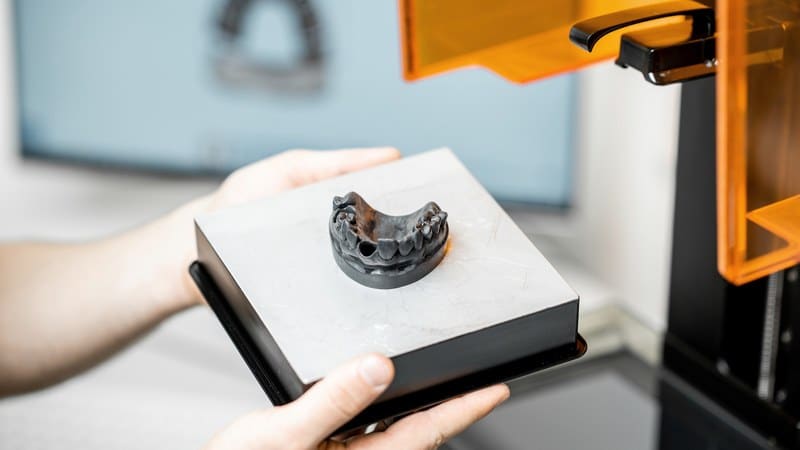
Hands holding a 3D-printed dental model beside a resin printer

MAKE THE RECORDS PART OF THE CASE

The labs that handle this well tend to do a few unglamorous things consistently.

Keep every record with the case. Scans, the Rx, photos and notes belong in one place, attached to the case itself, not split across email, a shared drive and the paperwork in the box. If someone has to go looking, the case is already late.

Make missing records visible. A case waiting on a bite registration or a shade shouldn’t sit quietly on a shelf. Put it on hold with a clear reason so the whole team, and whoever calls the office, can see exactly what’s needed.

Tell doctors what a digital case needs. A short checklist for digital dentures (scan requirements, bite, shade, mold, photos) sent to your offices up front prevents a lot of follow-up calls later.

Make it easy for the office to send more. When a doctor can add a note or an image to a case online, the missing piece arrives in minutes instead of after two rounds of phone tag.

Denture model beside an appointment calendar

HOW EVOLUTION HELPS

Labs on Evolution attach scanned documents, files and pictures directly to the case, so the record travels with the work through every step. Cases waiting on information go on hold with a reason the lab defines, which keeps them in front of the people who can fix them. And doctors using the EvoDOCTOR Portal can submit cases and add notes and images on their own, with every action recorded in the lab’s CRM.

WHAT THIS MEANS FOR YOUR LAB

Digital dentures are here to stay, and the labs adopting them are getting faster and more consistent. The bottleneck has moved from the bench to the paperwork. Fix how records arrive and where they live, and the printer can do what you bought it to do.

LET’S TALK ABOUT YOUR WORKFLOW

If you’d like to see how other labs keep case records, holds and doctor communication in one place, we’d be glad to show you Evolution in a short call. Book a 15-minute introduction.

Through December 31, 2026, new Evolution licenses and modules are 20% off the one-time license fee.

LEARN MORE ABOUT ABS AND EVOLUTION

Follow ABS on Facebook, Instagram, LinkedIn, and X. Please contact us directly if you’d like to learn more about Evolution dental lab management software.

Thanksgiving falls on Thursday, November 26 this year. In a dental lab, the holiday starts a week before that.

Doctors want their patients seated before their own long weekend. Technicians have had that Friday off on the calendar since summer. And the cases that arrive Tuesday afternoon all seem to need to go out Wednesday.

THE SQUEEZE COMES FROM BOTH ENDS

Holiday weeks don’t get busy because of one big problem. They get busy because a lot of small, normal things land at once. Offices push to finish treatment before the break, so case volume climbs. At the same time your capacity drops, because people take time off and carriers slow down.

Most labs know this is coming. The trouble is that the decisions usually get made on the Monday of Thanksgiving week, when there’s no room left to make them well.

Hands accepting a stack of delivery boxes at a front desk

DECIDE THE CUTOFF NOW

The single most useful thing you can do this week is pick a last day. When is the latest a case can arrive and still ship before the holiday? It will be different for a single crown than for a full-arch case or a denture that needs a try-in, so set it by product line if you need to.

Then work backward from your own schedule. Who is working Wednesday? Who is working Friday, and is Friday a production day, a catch-up day or closed? A cutoff only works if the people behind it are actually there.

TELL YOUR DOCTORS EARLY

A cutoff that nobody hears about is just a surprise later. Put it in front of your doctors at least two weeks ahead, in more than one place: a note with returning cases, an email, a line on the portal and a call to the offices that send the most work.

Those calls matter more than they seem. The office that hears it from a person is the one that sends its cases on Friday the 20th instead of Tuesday the 24th, and that one conversation can take a lot of pressure off your bench.

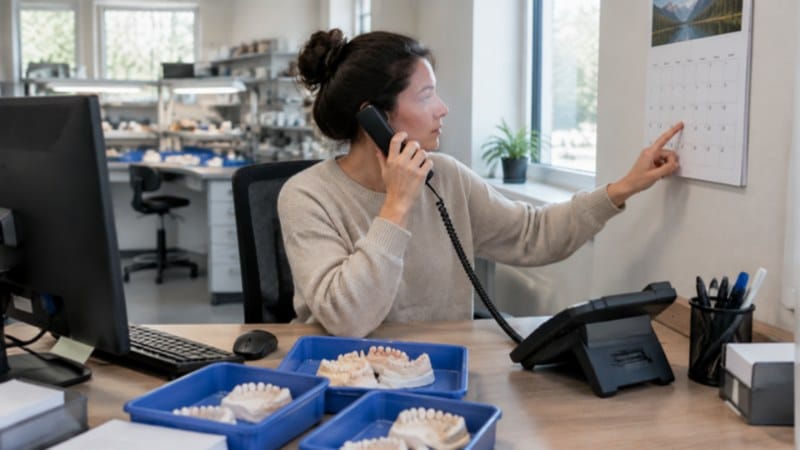
Dental lab staff member on the phone, pointing to a date on the wall calendar, with case pans of stone models on her desk

LET THE SCHEDULE DO SOME OF THE WORK

If your lab runs on Evolution, a good part of this is already built in. Rush cases move up the schedule on their own, so a true rush doesn’t depend on someone remembering it. Lab Monitor’s Tomorrow’s Total Capacity screen shows when the coming days are about to overflow, while there’s still time to move work or call a doctor. Holds with clear reasons keep the “waiting on the doctor” cases from hiding in the pile.

Closed days need a step of their own. Close the days you’ll be closed in the Lab Calendar now, then run one of the “Cases Scheduled…” reports under Production Reports to find any work already scheduled on those days and reschedule those cases. If your lab has EvoDASH, Outgoing Cases shows the cases scheduled to go out on future days too, so you can see what’s headed for a closed day before it gets there.

And doctors who use the EvoDOCTOR Portal can submit cases the moment they’re ready, which is exactly what you want the week before a holiday.

WHAT THIS MEANS FOR YOUR LAB

Pick the cutoff this week, staff the days around it and tell your doctors early and more than once. Then watch your capacity daily from the Monday before the holiday, not the Wednesday of it. A calm Thanksgiving week is almost always decided in early November.

GET HELP SETTING IT UP

If you’d like a hand setting up Lab Monitor or reviewing how rush and hold cases flow in your system before the holidays, our Support team is happy to walk through it with you.

LEARN MORE ABOUT ABS AND EVOLUTION

Follow ABS on Facebook, Instagram, LinkedIn, and X. Please contact us directly if you’d like to learn more about Evolution dental lab management software.

Nobody becomes a dental technician because they love spreadsheets. They come for the work: a contact that seats, a shade that disappears into the smile, a denture that finally feels right to someone who has struggled for years.

Then, for a lot of them, the job changes.

THE BENCH FIRST, THE BUSINESS SECOND

The path into lab management usually runs straight up from the bench. The strongest technician becomes the department lead, then the production manager, and some of them end up owning the lab. Each step adds more of the business and less of the craft they trained for, and almost nobody hands them a manual on the way.

That gap is the reason for a new book this month, The Optimized Dental Laboratory by Daniel Alter, a CDT who owned and ran a midsized lab for more than a decade before selling it. It is written for owners, managers and technicians moving into leadership, with 14 chapters and a set of browser-based tools for putting the ideas to work. It is good to see the business side of a lab treated as something worth teaching.

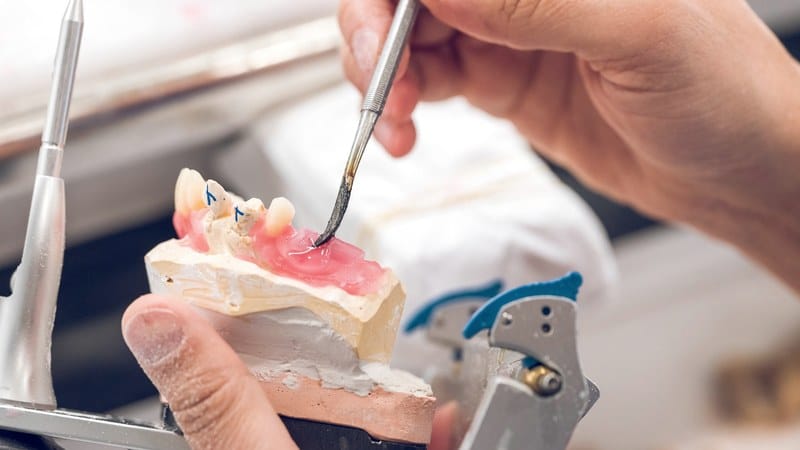
Dental technician setting a denture tooth into wax with a spatula

WHAT THE SECOND CRAFT LOOKS LIKE

Running a lab well is a skill set of its own. Pricing work so the busy accounts are also the profitable ones. Scheduling so that one technician isn’t buried while another has room. Staffing ahead of a busy month. Collecting what you are owed without souring a relationship. Noticing when a good account quietly starts sending less.

Like learning to read a prep or build a natural incisal edge, none of this comes from a single lesson. It comes from repetition and feedback, over and over, until you can see a problem coming before it arrives.

PRACTICE NEEDS FAST FEEDBACK

At the bench, feedback is immediate. You can see the margin, check the contact and fix it before the case leaves. Management feedback is usually slow. The month closes, the reports run, and you find out what happened weeks after you could have done anything about it.

The fix is to shorten the loop. In Evolution, the numbers a manager needs live in the same system the lab already works in, and EvoDASH puts the daily ones in front of you: cases that came in today, what has been invoiced, each technician’s completed steps, and which accounts are trending up or down. When the feedback arrives the same day, you get many more chances to practice the second craft each month.

Two people comparing printed reports across a desk

WHAT THIS MEANS FOR YOUR LAB

Give the management work real time on the calendar, an hour a week at minimum, instead of whatever is left at the end of the day. Pick three numbers to look at every morning and learn what normal looks like for each. And find people who have walked the same path. The NADL’s Vision 21 meeting in Las Vegas this January is one good place to start.

If you are moving from the bench into leadership right now, you are in good company. Most of the people running labs today started exactly where you are.

PRACTICE WITH BETTER NUMBERS

If you would like to see how Evolution and EvoDASH could shorten the feedback loop in your lab, we would be happy to show you. Get in touch here.

LEARN MORE ABOUT ABS AND EVOLUTION

Follow ABS on Facebook, Instagram, LinkedIn, and X. Please contact us directly if you’d like to learn more about Evolution dental lab management software.

Most dental technicians have a busy season. Very few of them have one that lines up with Halloween.

A while back, Lab Management Today profiled a New Mexico fangsmith, a former horror novelist who learned the trade and turned it into his full-time work. His story is a fun read, and it carries a lesson about case volume that any dental lab owner will recognize.

A craft with a calendar

The process will sound familiar. Customers take their own alginate impression from a mail-in kit. He pours a stone model, builds the fangs from temporary crown and bridge resin, polishes them and ships them back with a kit to adjust the fit. His customers are actors, musicians, artists and cosplayers.

Most months he makes about 80 sets. In Halloween season it can climb to 450. The magazine’s best detail is a theater company that came to him after the fangs from its previous production gave the entire cast a lisp. Fit is fit, even on a vampire.

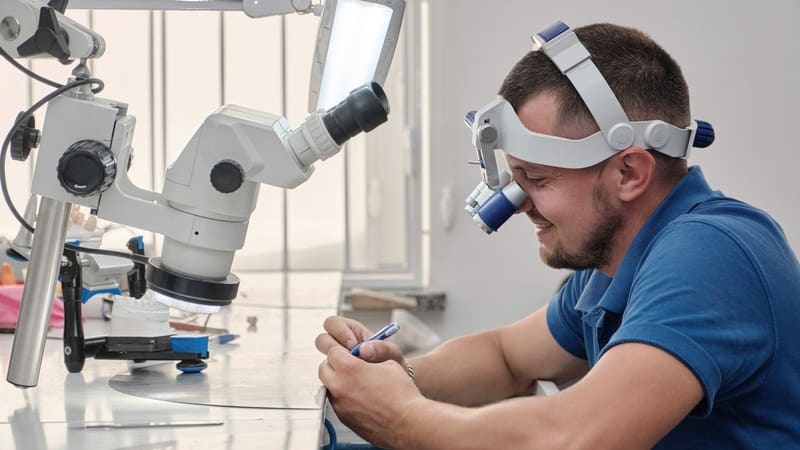
Dental technician working under a microscope with loupes

Your lab has an October too

A dental lab’s spike rarely arrives with a costume. It looks like a year-end push from offices whose patients want to use their dental benefits before they reset in January. It looks like a large account adding a doctor, or a few technicians taking vacation in the same two weeks. The bench feels it before anyone in the office has a number for it.

The fangsmith knows exactly when his rush starts. Most labs find out partway through, when turnaround slips and the phone starts ringing with status calls. By then the choices are overtime or late cases.

See the case volume before it reaches the bench

The fix is to watch incoming work the way you watch the calendar. How many cases came in today. How this month compares with last month. How this month compares with the same month last year, for each account.

That is what EvoDASH puts on one screen. Labs can keep the day’s incoming cases, remakes and repairs and this month’s projected sales in front of them, and the Sales History view compares any month with the same month last year for an account, a product or a department. When one office starts sending noticeably more than it did last October, you see it in the first week, not the fourth.

Lab owner at a desk with a monitor and a stack of reports

None of this makes the busy season smaller. It makes it predictable, and predictable is what lets you staff it, schedule it and keep doctors informed before they have to call.

What this means for your lab

Pick the one or two months that hurt most last year. Before they come around again, decide what number would tell you the rush has started: incoming cases per day, a key account’s volume against last year, or work in progress per technician. Then put that number somewhere you will see it every morning.

See your busy season coming

If you would like to see what that morning view looks like with your own accounts, we are glad to walk you through it. Get in touch.

Learn more about ABS and Evolution

Follow ABS on Facebook, Instagram, LinkedIn, and X. Please contact us directly if you’d like to learn more about Evolution dental lab management software.

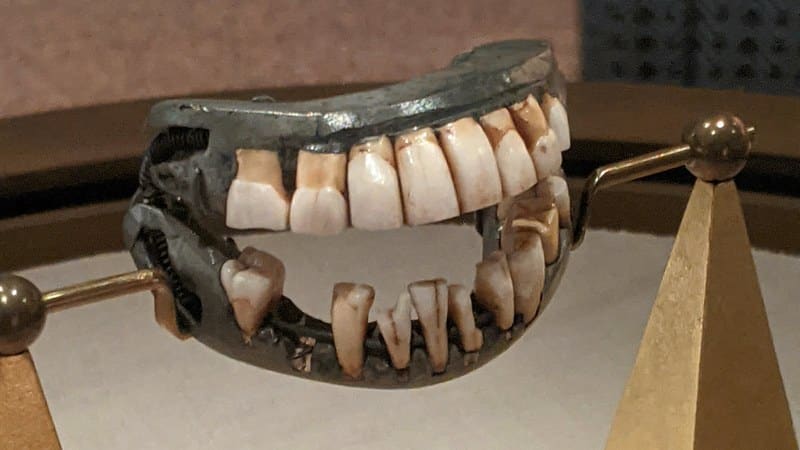
George Washington never had wooden teeth. The historians at Mount Vernon are firm about that. His dentures were built from hippopotamus ivory, human teeth, gold wire springs and brass screws, which is a lot more interesting than a block of pine.

He also had opinions about how they fit, and any dental lab that has handled a denture remake will recognize them.

George Washington's dentures with lead bases, human and animal teeth and coiled springs, on display at Mount Vernon

George Washington’s dentures, on display at Mount Vernon. Photo: BakedintheHole, Wikimedia Commons, CC BY-SA 4.0.

The first president’s dental lab problem

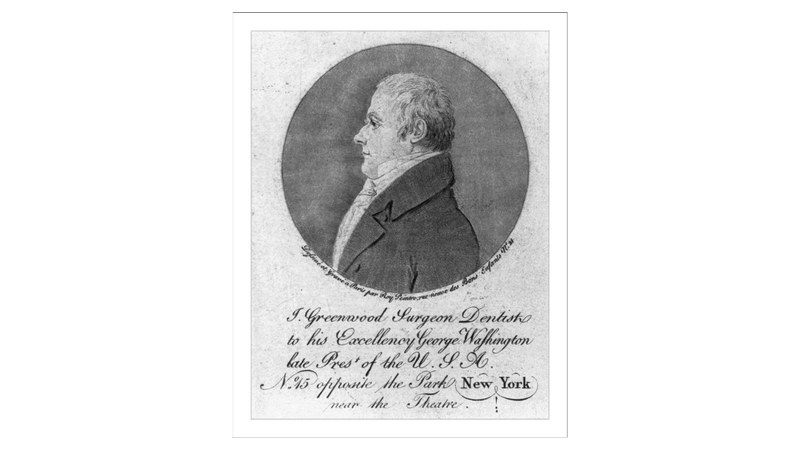
By the time he took the oath of office in 1789, Washington had one real tooth left. Over the years he wore sets from more than one maker, and he wasn’t shy in his letters. Writing about a set from his New York dentist, John Greenwood, he said the teeth were uneasy in the mouth and pushed his lips out, and that they had worked loose over time.

That is classic denture feedback. It describes a feeling, not a measurement. The maker has to work backward from “it feels wrong” to the step where it went wrong, with the patient hundreds of miles away.

Engraved portrait of John Greenwood captioned Surgeon Dentist to his Excellency George Washington, New York

“Surgeon Dentist to his Excellency George Washington”: an engraving of John Greenwood, Washington’s New York dentist. Library of Congress, via Wikimedia Commons.

Feedback still travels the long way

Two centuries later, the materials have changed beyond recognition. The path a complaint takes has changed much less. A patient tells the doctor something feels off. The assistant calls the lab. Someone at the front desk writes a note. By the time it reaches the technician, “the bite feels high on the left side” may have turned into “remake, fit.”

Every hand-off loses detail, so the case that comes back is harder to fix than it should be. And because the reason never lands anywhere it can be counted, the same problem tends to show up again next month from the same office.

Put the feedback on the case

The labs that handle this well make the case the place where feedback lives. The doctor’s note, a photo of the fit, the reason for the remake: all of it attached to the case instead of to somebody’s memory.

In Evolution, a remake or repair is its own case type, tied to the original case, the account and a remake reason. Doctors who use the EvoDOCTOR Portal can submit cases, add notes and images and check status from a browser, and each of those actions is recorded on that doctor’s account in Evolution automatically, where your staff can see it.

Labs running our EvoDASH dashboard see remakes over time, the split between lab and doctor, and the accounts sending the most remakes on one screen. We wrote recently about why remakes tend to come from a short list of accounts.

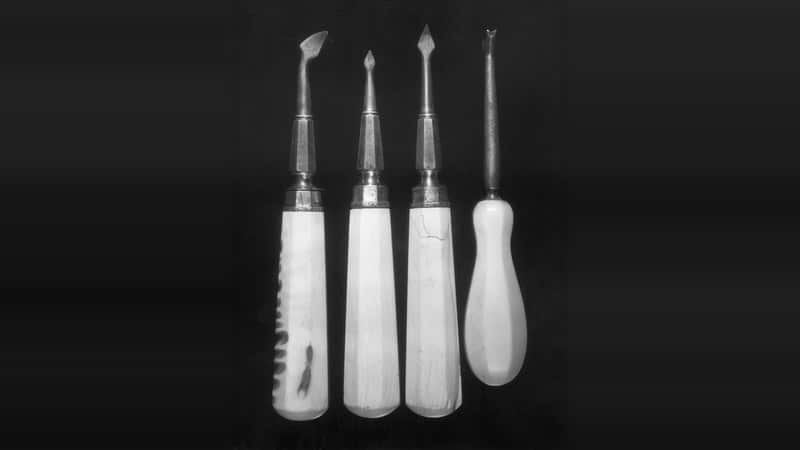
Four 18th-century dental instruments with ivory handles, believed to have belonged to Paul Revere

Paul Revere advertised false teeth in Boston starting in 1768. These instruments are believed to have been his. Photo: Otis Historical Archives, National Museum of Health and Medicine, via Wikimedia Commons, CC BY 2.0.

What this means for your lab

Pull your last five remakes. For each one, can you say what the doctor reported, in their words, and which step it traced back to? If the answer lives in someone’s head or a voicemail, that is the gap. Start writing the reason on the case every time, and in three months you’ll have a pattern instead of a pile of stories.

See how it works for your lab

If you’d like to see how Evolution keeps the doctor’s feedback, the remake and the original case together, we’re happy to walk you through it. No commitment. Just reach out.

Learn more about ABS and Evolution

Follow ABS on Facebook, Instagram, LinkedIn, and X. Please contact us directly if you’d like to learn more about Evolution dental lab management software.

Most dentists have never watched one of their crowns being made. A box arrives, the doctor seats the restoration, and the next patient is already in the chair. Everything that happened between the scan and the box stays out of sight.

That is a shame, because that hidden part is the best thing your lab has. It also makes some of the best dental lab social media there is.

The best-kept secret in dentistry

A crown that seats with no adjustment looks easy. It isn’t. Someone read the Rx and the photos, checked the margins, built the contacts and the bite, then layered porcelain or stained and glazed zirconia until the shade matched the teeth next to it. A denture got its teeth set one at a time in wax, with the midline and smile line checked by eye.

That skill is why a doctor stays with a lab for twenty years. It is also the part of the relationship the doctor sees least. Most of what they see is the box, the invoice and the occasional phone call.

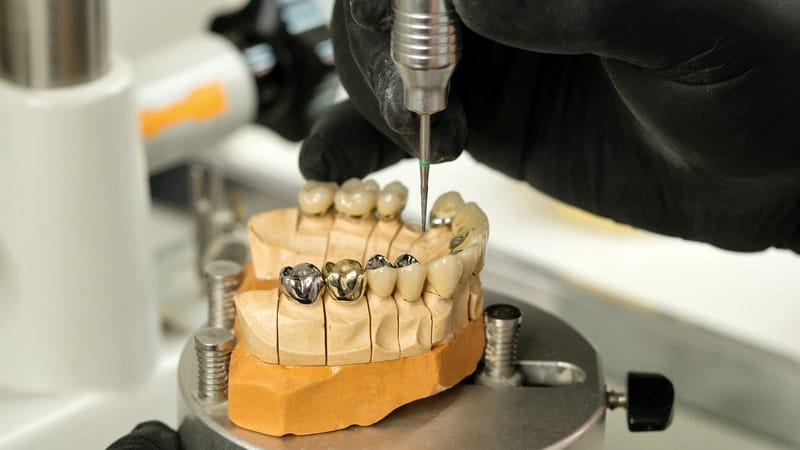
Gloved dental technician refining porcelain-fused-to-metal crowns and a bridge on a stone model with a handpiece

Why the bench makes great dental lab social media

Look through dental content on Instagram, TikTok or YouTube and you will find technicians filming over their own shoulder: porcelain going on with a fine brush, a set of denture teeth taking shape in wax, a model coming off a printer. People stop scrolling for it, the same way they stop for a woodworker or a pastry chef. Watching skilled hands work is satisfying in any trade.

For a lab, those posts do more than collect likes. A doctor who has watched your team match a shade understands why a good shade photo matters. A doctor who has seen a denture set tooth by tooth is a little more patient when a case needs another day. Seeing the craft builds respect, and respect builds loyalty.

Five easy ways to show your work

1. A 20-second clip. Prop a phone over a technician’s shoulder during a satisfying step. No voiceover needed. Let the work speak.

2. As received, as shipped. One photo of the model the way it came in, one of the finished case on the same model.

3. Meet the tech. A photo of one team member and one line about what they love about their specialty. Doctors like knowing who builds their cases.

4. The tough one. A difficult case told in three photos, with the doctor’s permission, and what made it hard.

5. An open door. Invite your best doctors and their assistants for a lab tour. Lunch helps.

One rule for all five: keep patient names, Rx forms and case labels out of the frame, and ask before you post anyone’s face or a doctor’s case.

Showing your work every day

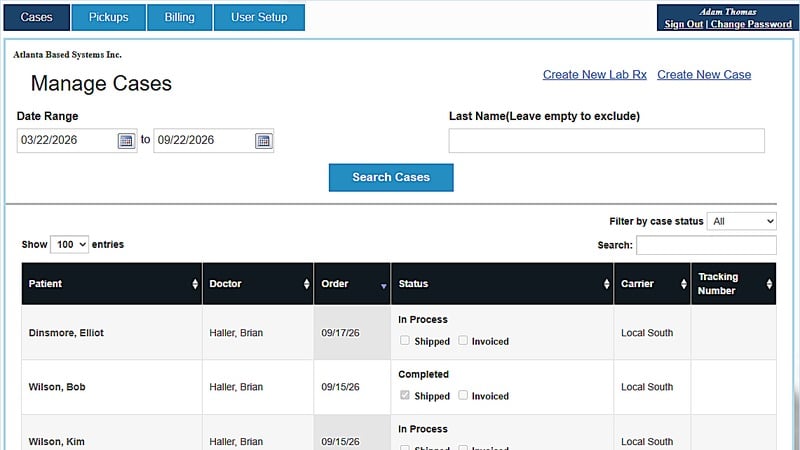
Social posts show the craft. The everyday version of showing your work is simpler: letting doctors see where their case is without calling. When a doctor can check that a case is in process, see that it shipped and find the carrier, your lab looks as organized as its work is careful.

That is what the EvoDOCTOR Portal does for Evolution labs. Doctors submit cases, add notes and images, request pickups and check status from a browser, and each of those actions is recorded on that doctor’s account in Evolution automatically, where your staff can see it. Labs that want the same experience on a phone can give their doctors their own branded EvoDOCTOR App.

Labs that want to take it a step further can choose to share photos from the bench right on the case in the portal, so a doctor can see the work before it ships. It is an option, not a default. Plenty of labs keep files on a case that are meant for the lab only, and they can leave it off.

EvoDOCTOR Portal Manage Cases screen showing demo cases with status, shipped and invoiced checkboxes, carrier and tracking number columns

What this means for your lab

This week, take one photo or one short clip at the bench and post it. This month, ask your three best doctors if they would like a tour. And take a look at how many “where’s my case?” calls your front desk handled last week. Each one is a doctor who could not see what your bench was doing.

Let your doctors see the work

If you are on Evolution and have not turned on the EvoDOCTOR Portal, or you would like to see exactly what your doctors would see, we are happy to walk you through it. Just reach out.

Learn more about ABS and Evolution

Follow ABS on Facebook, Instagram, LinkedIn, and X. Please contact us directly if you’d like to learn more about Evolution dental lab management software.

Ask a lab owner for their remake rate and most can give you a number. Four percent. Three and a half. “Under five, most months.”

It is a reasonable number to track. It is also one of the least useful numbers on the report, because of what it hides.

What the research actually found

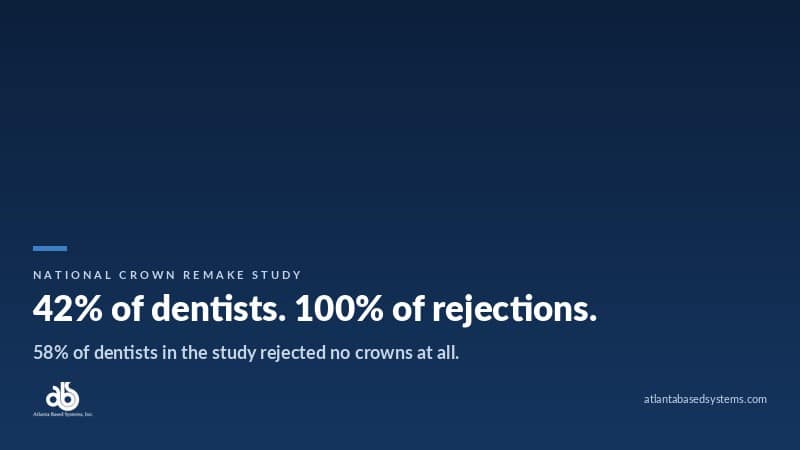
A national study of single-unit crowns from the National Dental Practice-Based Research Network, published in the Journal of Prosthodontics, put the average remake rate at 3.8 percent. That matches what most labs would guess about themselves.

The distribution is the real finding. Individual dentists’ rejection rates ranged from zero to 42 percent. Fifty-eight percent of the dentists in the study rejected no crowns at all. Every rejection in the study came from the other 42 percent.

In other words, remakes were not spread thinly across everyone. They were concentrated in a minority of practices, and a blended average of 3.8 percent described almost nobody accurately.

Stat card reading 42 percent of dentists produced every crown rejection in a national remake study

Why a single percentage sends you to the wrong fix

The same study listed the most common reasons crowns were sent back. Open proximal contacts came first, then open margins, then esthetic failure. Those three reasons have almost nothing in common when it comes to fixing them.

An open contact might be a model problem, a design setting, or a finishing habit. An open margin might be the bench, or it might be the impression that arrived. An esthetic failure is usually a communication problem: shade, photos, expectations. A lab that sees “remakes up this month” and responds with a general push on quality is treating three different problems with one blunt instrument.

The study also recorded what the dentist suspected had gone wrong. The most common answer was lab error, followed by distorted impressions and color mismatch. That is not a verdict. It is the default explanation when nobody has better information, and it tends to become the record unless the lab has its own.

Three questions worth answering every month

Before any remake conversation with a doctor, or any change at the bench, a lab manager should be able to answer three questions without building a spreadsheet.

Where are the remakes coming from? Rank accounts by remake count and by remake rate. The two lists are rarely the same. A high-volume account with a modest rate can produce more remakes than a small account with a terrible one, and they need different responses.

Which reasons keep repeating, and for whom? One account sending back open margins every month is a different conversation from an account whose remakes are all shade. Reasons only mean something once they are tied to the account.

Whose fault was it? Not to assign blame, but to decide who acts. Remakes that trace to the lab are a production issue. Remakes that trace to the prep or the impression are a doctor relationship issue. Most labs have a gut feel for the split. Very few can show it.

Dental technician setting a denture tooth in wax at the bench

Turning the numbers into a conversation

The value of knowing where remakes live is that it changes the tone of the call. “We have noticed a few remakes lately” invites a defensive answer. “Your office sent back six crowns this quarter, four for open margins, and all four were on cases where the impression was taken the same way” is a problem two professionals can solve together.

It also protects the relationships that are working. When a lab responds to a rising average by tightening everything, the accounts that never send anything back feel the friction too. Knowing that most remakes come from a few places lets the lab be precise instead of general.

This is the thinking behind the Remakes screen in EvoDASH, the dashboard that runs on a lab’s Evolution data. It shows remakes and repairs over time, splits remake fault between lab and doctor, lists the accounts sending the most remakes, and lets a manager click a day on the chart to see the cases behind it. The information is already in Evolution. The screen puts it where someone can act on it during the week rather than at month end.

What this means for your lab

Stop reporting remakes as one number. Report them as a short list: the top five accounts by remake count, the top three reasons, and the lab versus doctor split. Review it on a set day every month, with the person who talks to doctors in the room.

If the list surprises you, that is the point. The research suggests most of your accounts are not the problem. The job is finding the ones that are, and having the case history ready when you call.

See your own remake picture

If your lab runs Evolution and you would like to see what your remakes look like broken down by account and reason, we are happy to walk you through it.

Learn more about ABS and Evolution

Follow ABS on Facebook, Instagram, LinkedIn, and X. Please contact us directly if you’d like to learn more about Evolution dental lab management software.

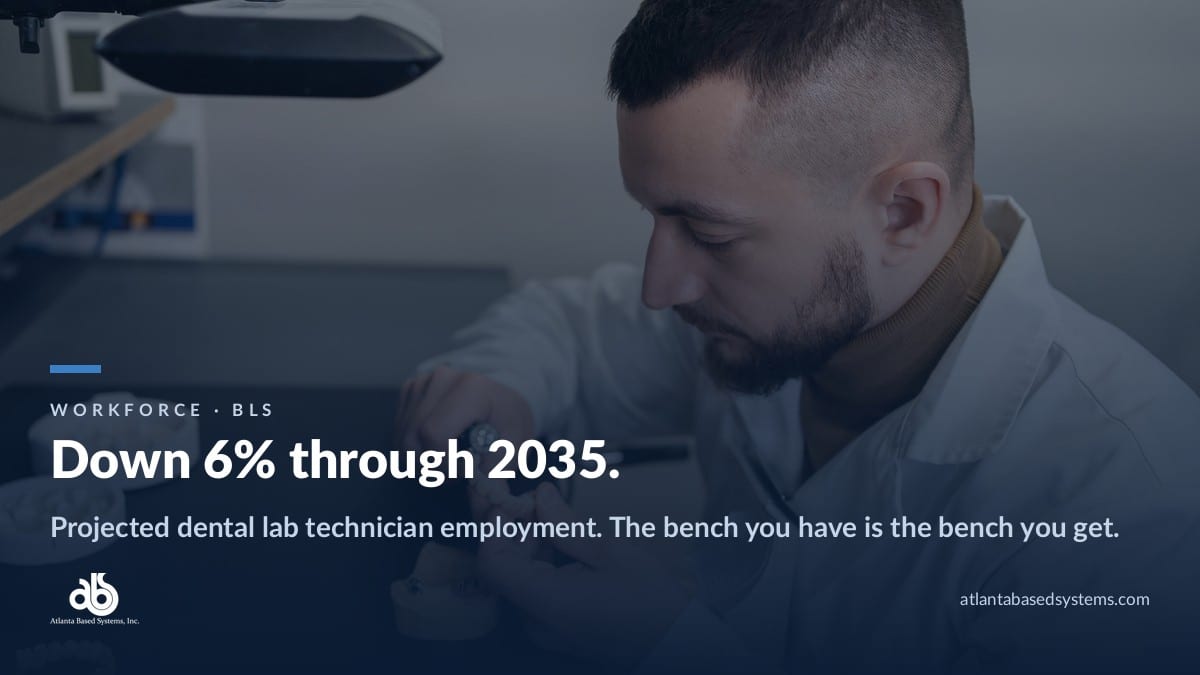
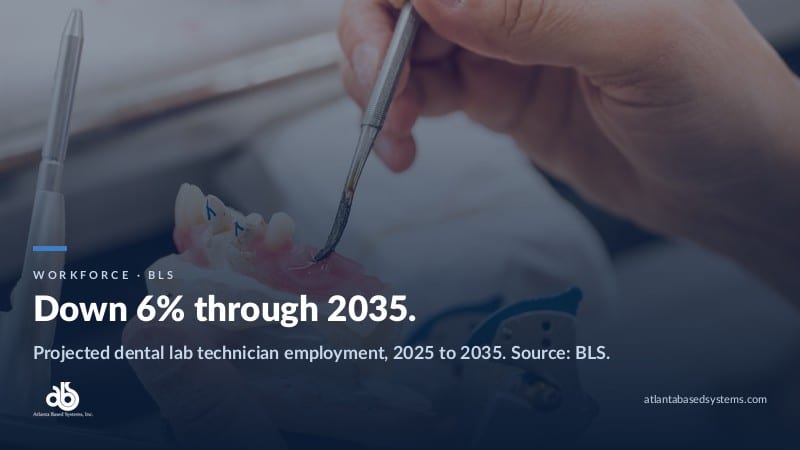
The Bureau of Labor Statistics refreshed its dental laboratory technician outlook on August 27. There are 34,400 people in the job. The projection through 2035 is a 6% decline, roughly 2,000 positions.

One note on reading the source, because the headline figure on that page is not the one that matters here. BLS groups dental laboratory technicians together with ophthalmic laboratory technicians and medical appliance technicians, and that combined group of 64,300 is projected to decline 2 percent. The dental laboratory technician line inside it is the one falling 6 percent, from 34,400 to 32,300. The other two occupations in the group are projected to grow slightly, which is what pulls the headline up.

Numbers like that usually get read as industry commentary and then filed. This one is worth reading as an operating constraint instead, because it describes the single input most lab capacity planning still takes for granted.

What the projection actually says

It does not say case volume is falling. Restorative demand is not the variable here. What the projection describes is the supply of people qualified to do the work, and it says that supply gets tighter every year for the next decade.

For most of the last thirty years, a growing lab could solve a capacity problem by hiring. It was not easy or cheap, but it was a solved category of problem. Post the role, wait, train, absorb the volume. Every plan for adding a major account has that step in it somewhere, usually unstated.

That step is the one getting less reliable. Not impossible, but slower and more expensive each cycle, with fewer trained candidates entering the field than leaving it. A growth plan whose second step is “and then we hire two more technicians” is now carrying a risk it was not carrying in 2015.
Stat card reading Down 6 percent through 2035, projected dental laboratory technician employment according to the Bureau of Labor Statistics

The automation explanation is half right

BLS gives a reason for the decline. The handbook attributes it to 3D printing and other laborsaving technologies being increasingly used to produce dental parts and appliances.

That is true as far as it goes, and it is easy to over-read. Printing and milling did not delete the labor. They relocated it, mostly upstream into design and downstream into quality control.

Somebody still builds the file. Somebody nests the tray, places the supports, runs the wash and cure, separates parts, and inspects a batch where a single upstream error means all forty units are wrong in the same way. The hours moved. They did not evaporate.

What did change is the shape of the risk. A technician hand-finishing one unit at a time makes small, contained mistakes. A technician approving a nest makes one decision that lands on forty units at once. Fewer seats, each carrying more consequence, each harder to fill.

Which means the practical conclusion for a lab is close to the opposite of the comfortable one. Automation does not reduce the hiring problem. It concentrates it.

The question that replaces “how many techs do I need”

If adding bench capacity is the unreliable move, the reliable move is knowing precisely what the current bench produces and where that production leaks.

Almost every lab can produce a case count and a payroll number. Those two figures bracket the problem without describing it. The useful measurements live between them, and most of them are not hard to capture. They are just rarely captured on purpose.

Units per technician per day, by department. A lab-wide average is close to meaningless, because it blends a department running at capacity with one that has room. The constraint is a specific bench on a specific day, and the average is designed to hide it.

Rework rate, broken out two ways. By technician, and separately by account. Remakes are almost never evenly distributed. They concentrate, and the concentration usually has a nameable cause: one technician who needs a specific piece of training, or one practice whose impressions or scans consistently arrive short. Both are fixable. Neither is visible in a lab-wide remake percentage.

Where cases actually sit, versus where the schedule says they should be. The distance between those two is most of a turnaround problem, and it is the number that gets estimated rather than measured most often.
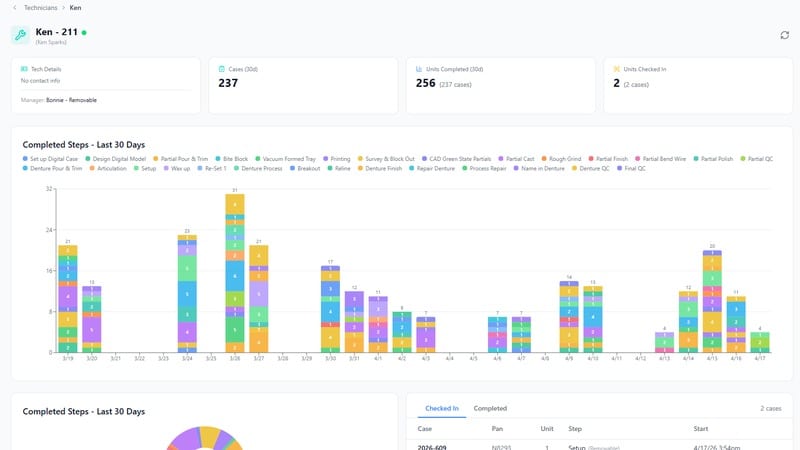
EvoDash technician detail screen showing units completed over the last 30 days and completed production steps broken out by day

Why this has to be a byproduct, not a project

Here is where most measurement efforts die. Somebody decides the lab needs these numbers, builds a spreadsheet, and asks the floor to feed it. It works for five weeks. Then a busy month arrives, the tally slips, and the data quietly stops being trustworthy right at the moment it would have been most useful.

The version that survives is the one where nobody is asked to do anything extra. Production data has to fall out of moving the case through the lab, so that the report is a lookup rather than a project. If producing the number requires someone to stop and record it, the number will be missing exactly when the lab is busiest, which is the only time anyone needs it.

That is the argument for a system of record rather than a reporting habit. It is also the reason to put one in place before you need the answer, not during the quarter you are trying to fix something.

One test worth running this week

Pick last Tuesday. Answer three questions without asking anyone on the floor.

Which department completed the fewest units relative to what was scheduled into it. Which account generated the most rework in the last ninety days. How many cases were sitting past their promised date at 4pm.

If those are lookups, your capacity planning can be built on real numbers, and the BLS projection is a hiring headwind rather than a strategic threat. If any of them requires a walk through the lab and a conversation, that gap is the thing worth closing first. It will matter more every year that projection holds.

See what this looks like in practice

If you want to see how case tracking, technician productivity and turnaround reporting work together in one system, we are happy to walk through it with no pressure and no obligation. Evolution has been built around dental labs for close to fifty years, and a short conversation is usually enough to tell whether it fits how you already work.

Learn more about ABS and Evolution

Follow ABS on Facebook, Instagram, LinkedIn, and X. Please contact us directly if you’d like to learn more about Evolution dental lab management software.

Recent Posts
Archives